
Background & Context
Health threats at the human, animal and environmental interface require coordinated and evidence-based responses. Zoonotic diseases, antimicrobial resistance and environmental changes create interconnected risks that cannot be addressed by single-sector approaches. Strengthening integrated surveillance systems is therefore essential.
Pathogen genomics has become a key tool in modern One Health strategies. Genome sequencing enables accurate identification of pathogens, characterization of genetic variation and improved understanding of transmission dynamics. When integrated with epidemiological and environmental data, genomic information supports evidence-based decision-making and strengthens outbreak preparedness. This module introduces the principles of One Health genomics, and provides an introduction to the foundations, methods, tools and interpretative logic. Participants will gain a conceptual understanding of sequencing strategies, analytical workflows and interpretation frameworks.
Objectives
The overall objective is to provide participants with a comprehensive understanding of the principles, methods, tools and practical applications of microbial genomics within a One Health framework, enabling them to critically assess genomic approaches and apply genomic evidence to integrated surveillance and decision-making.
- Explain the scientific foundations of microbial genomics and their relevance to zoonotic disease surveillance and antimicrobial resistance within a One Health framework
- Differentiate major sequencing strategies such as whole-genome sequencing, targeted sequencing and metagenomics
- Describe the structure and logic of a genomic analysis workflow, from sample collection to data interpretation
- Interpret genomic outputs such as genetic clustering, phylogenetic relationships and resistance gene detection
- Assess the role, strengths and limitations of genomic tools in supporting integrated One Health surveillance
Target Audience
Graduate students and professionals from public health, veterinary, environmental, microbiology and related disciplines involved in infectious disease surveillance and One Health initiatives.
Prerequisites
Basic knowledge of microbiology or infectious diseases is recommended, but no prior experience in genomics or bioinformatics is required.
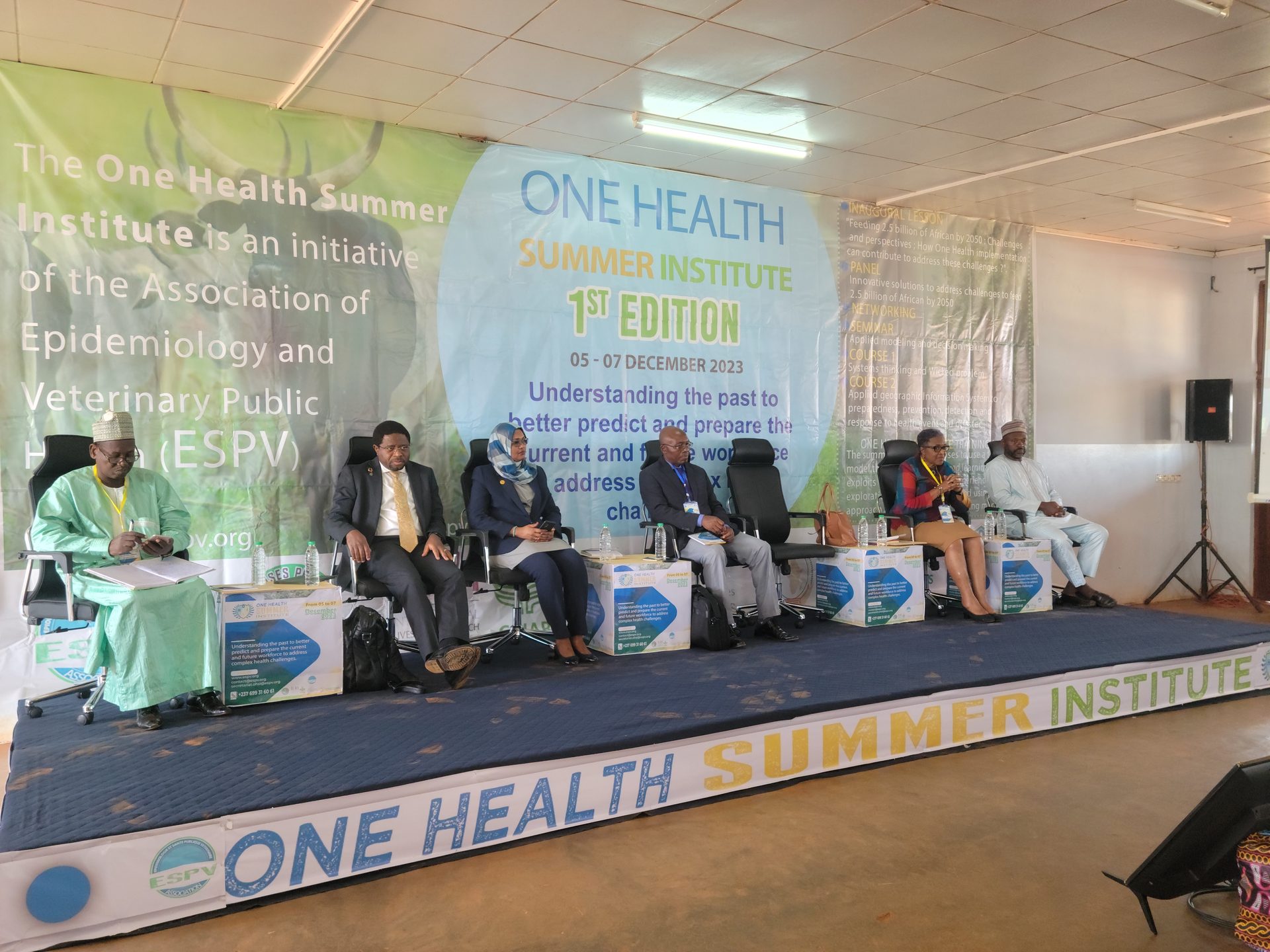
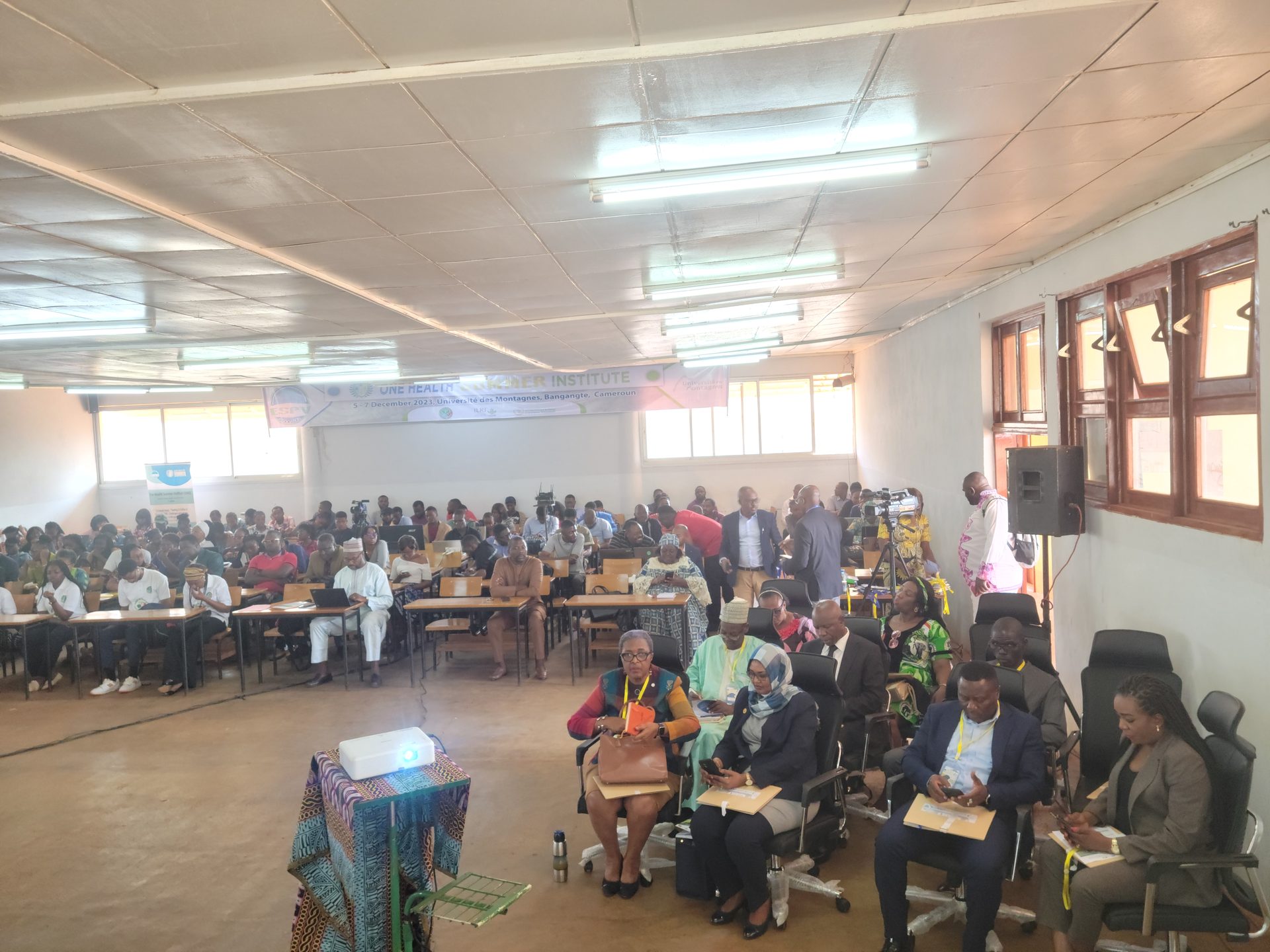
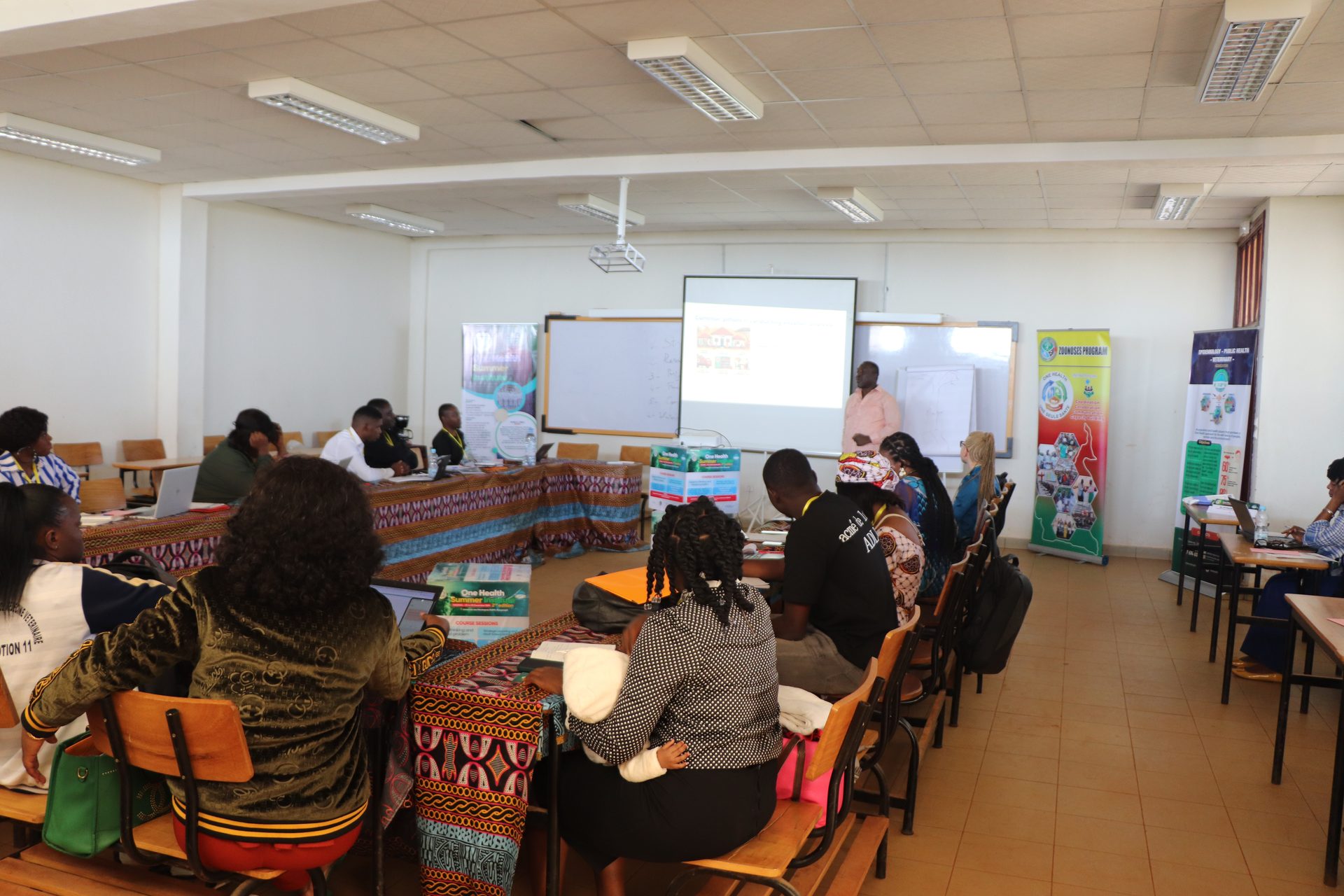
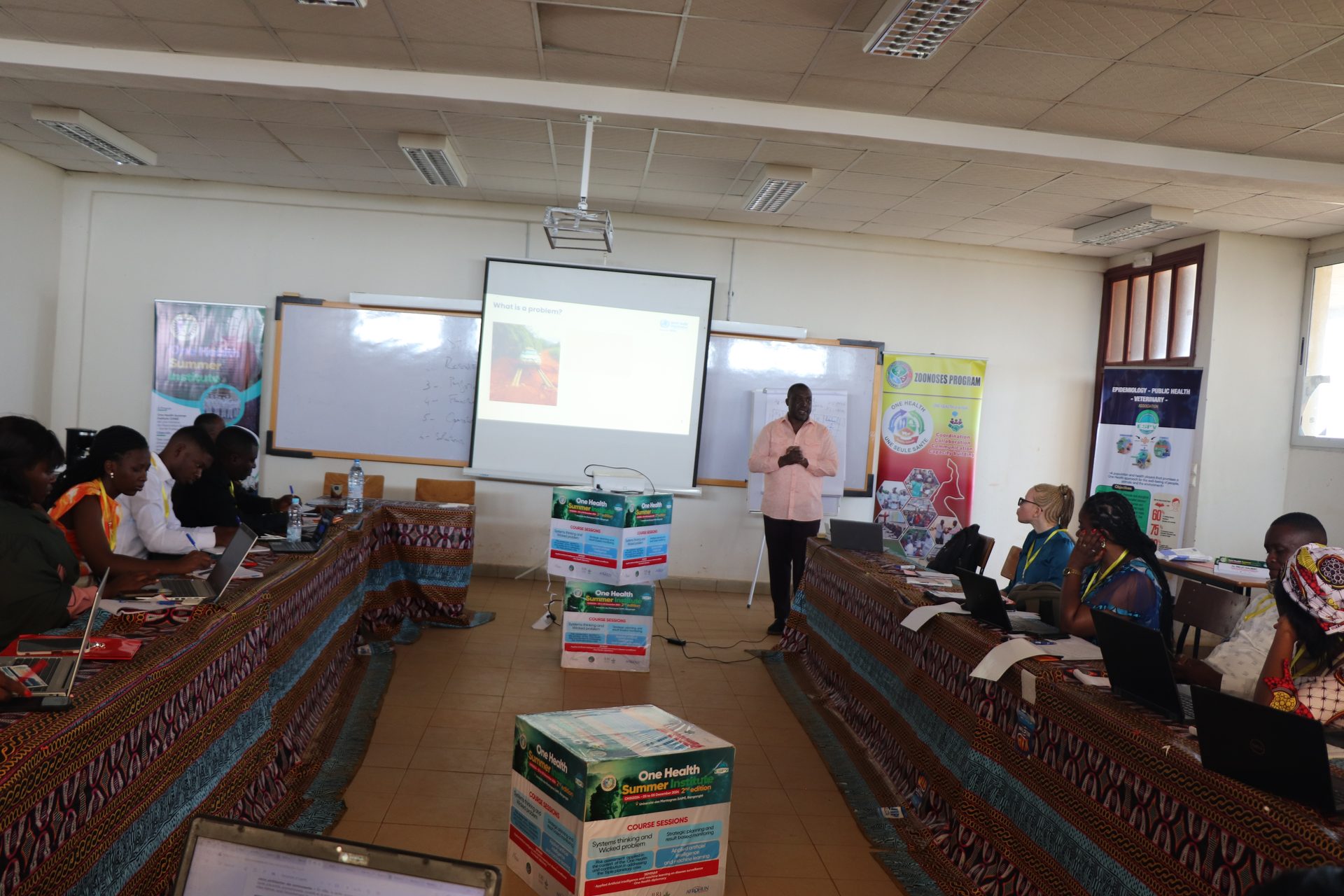
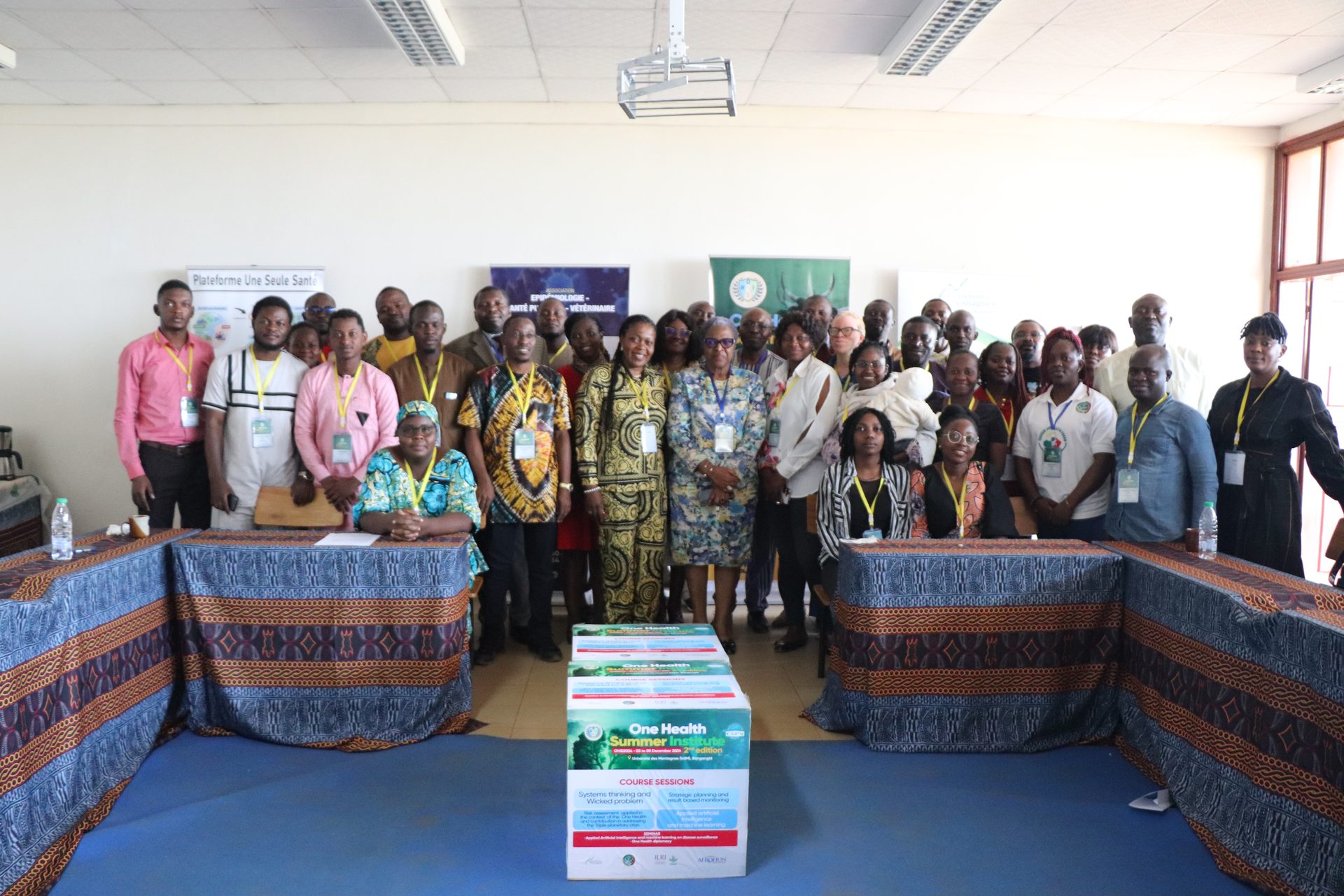
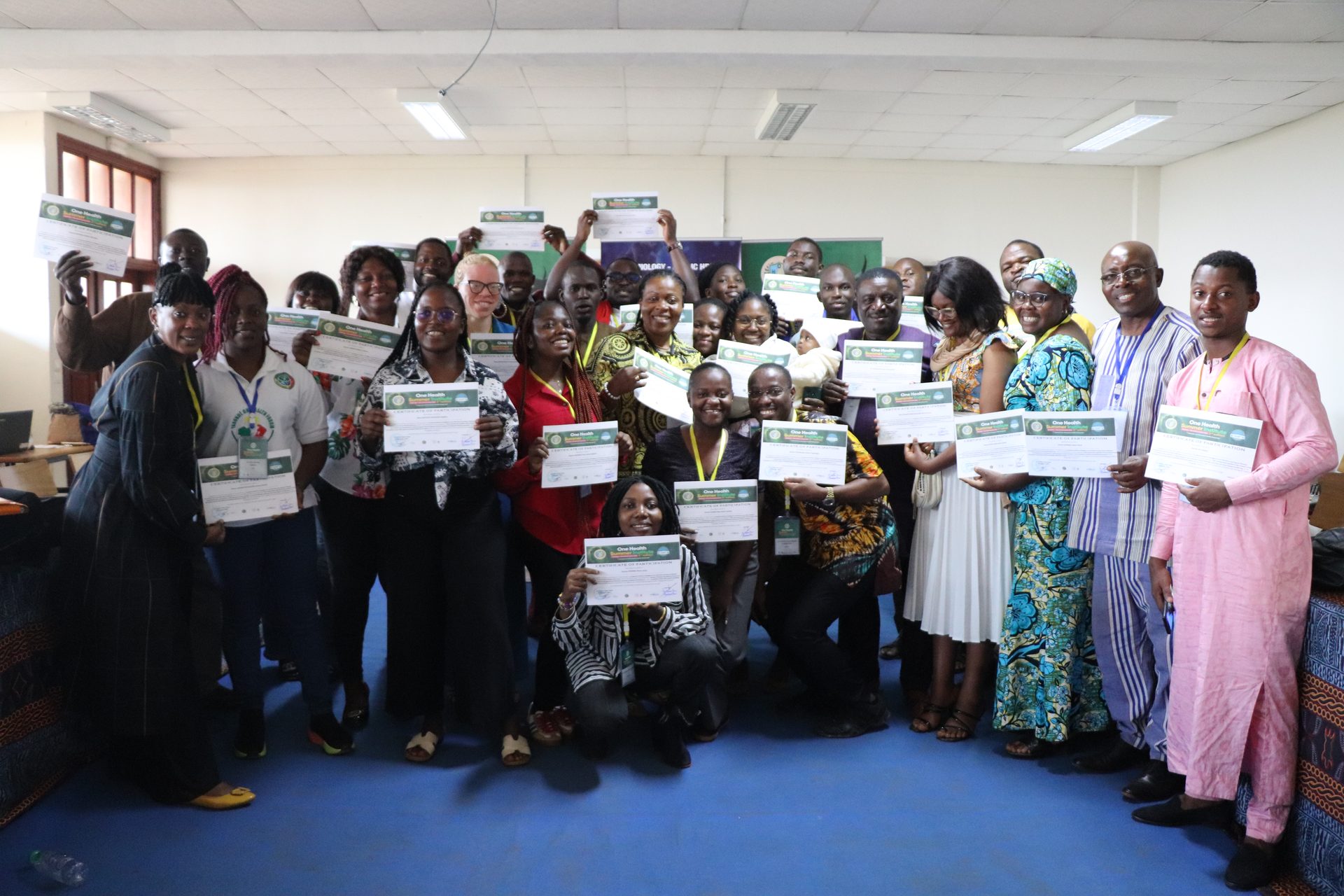


Previous Sessions