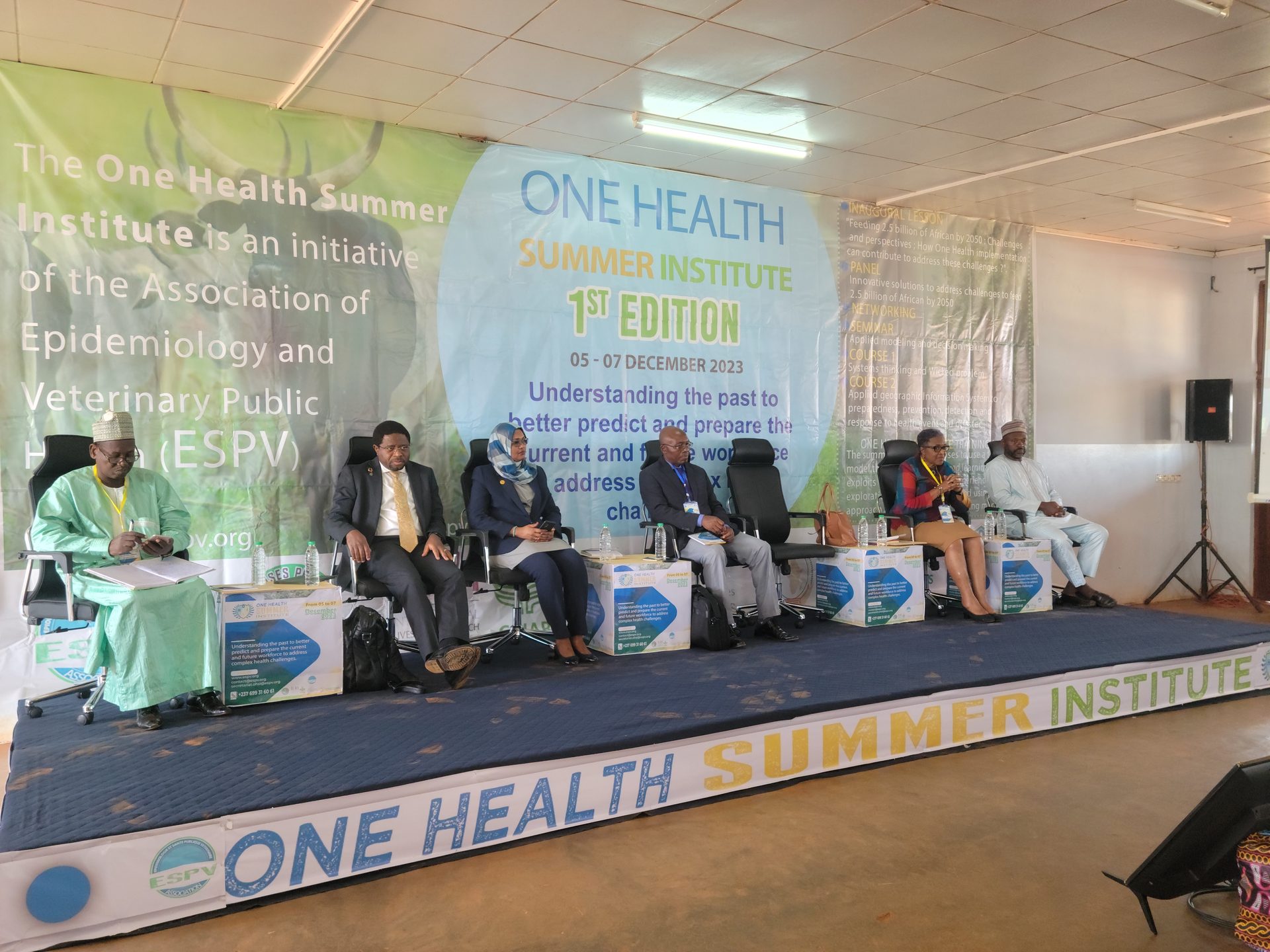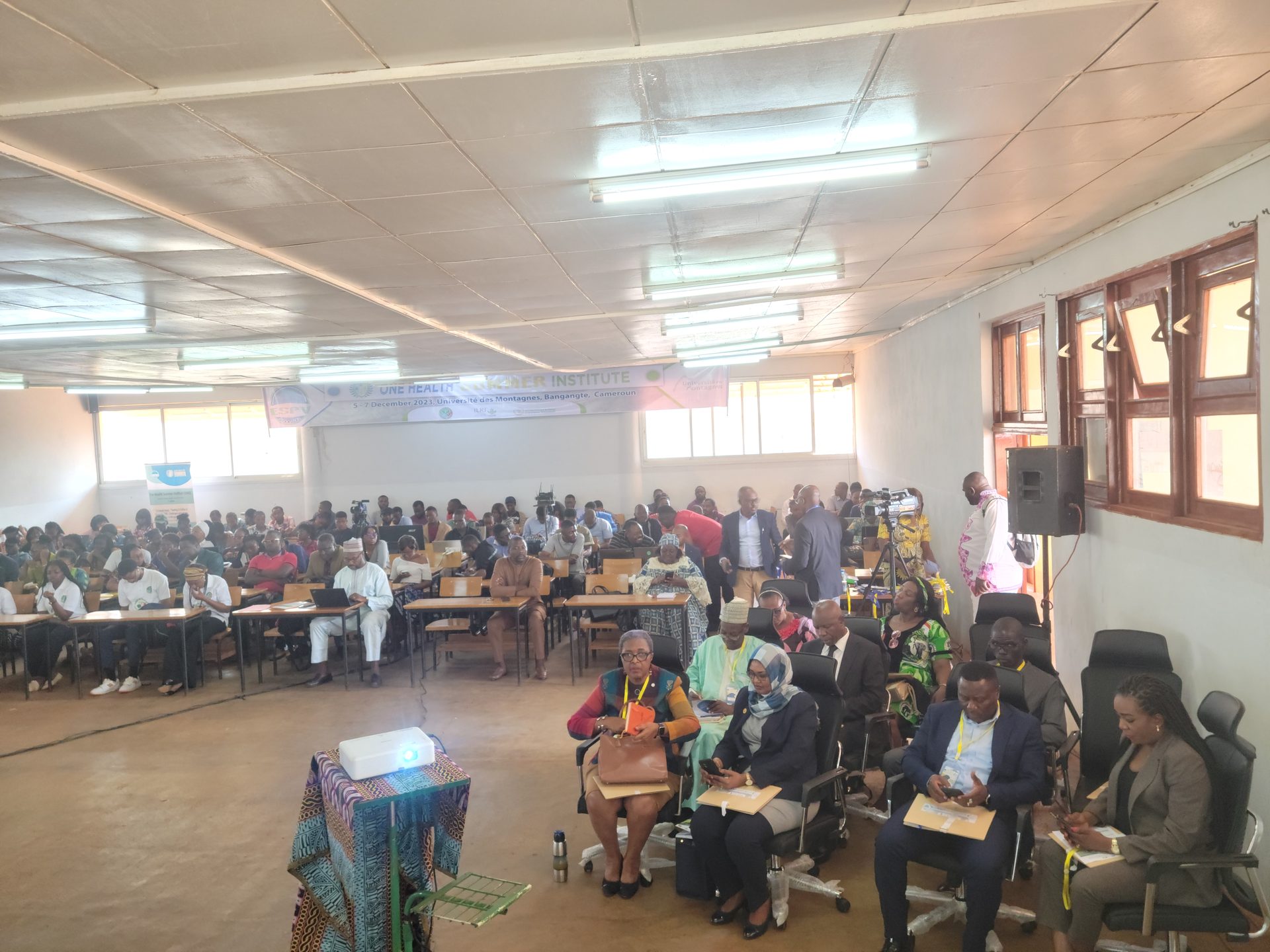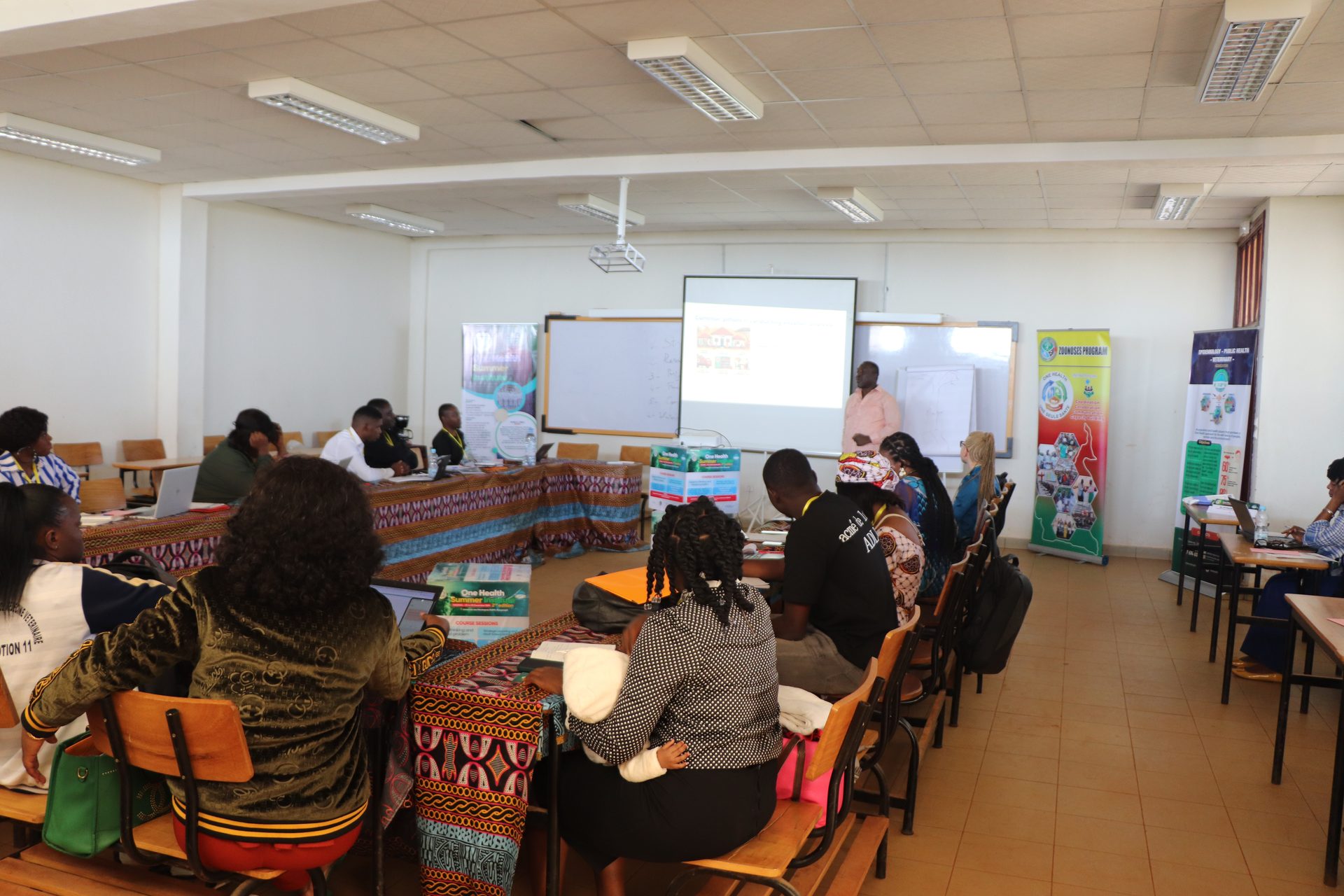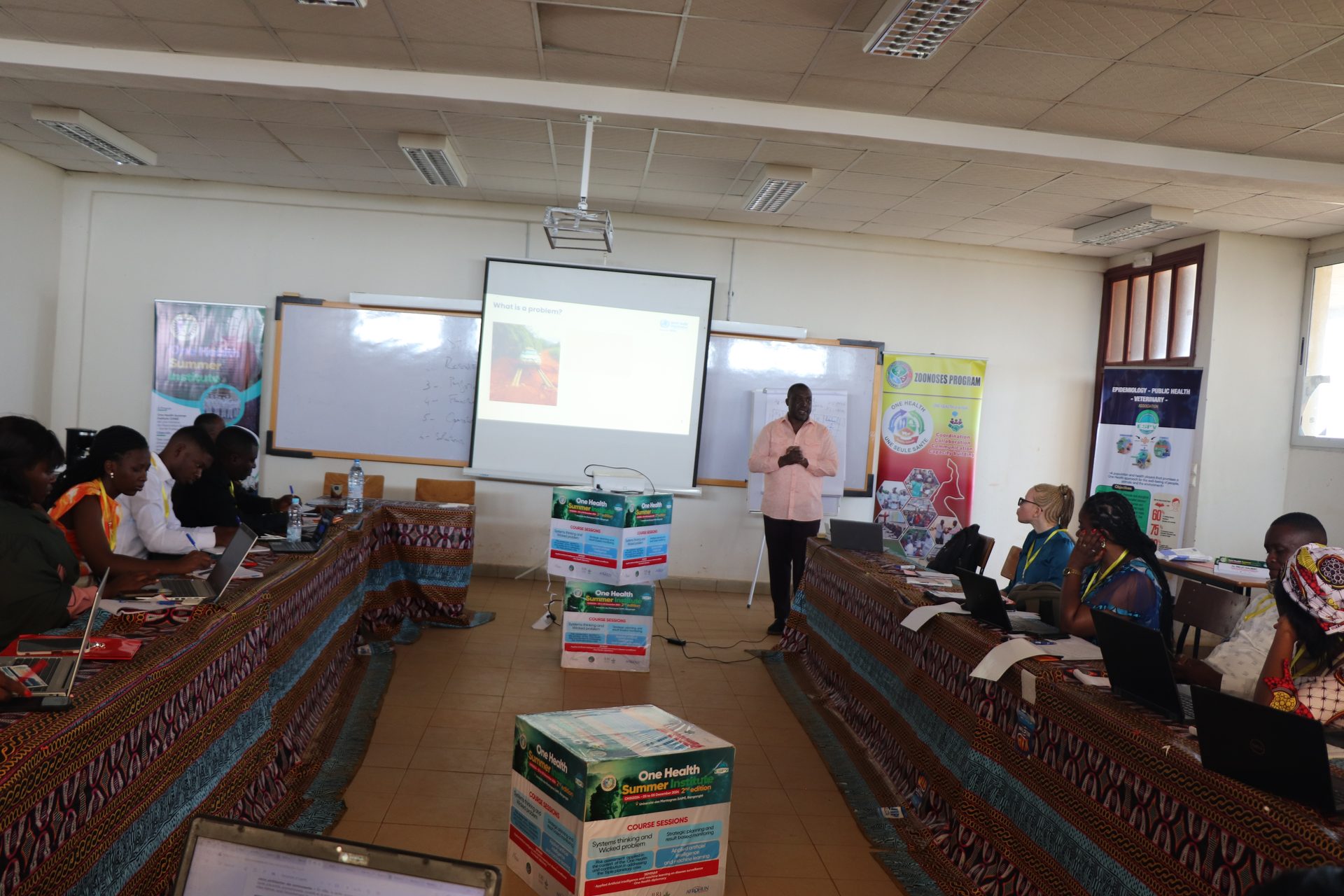

Background & Context
Current health challenges (emerging zoonotic diseases, antimicrobial resistance, climate change, food insecurity) illustrate the interdependence between human, animal, and environmental health. In this context, the One Health approach seeks to strengthen interdisciplinary and intersectoral collaboration for integrated and sustainable health.
This One Health paradigm requires not only technical knowledge but also specific competencies to understand and manage the complexity of interconnected health systems. Its implementation demands transformational leadership and systems thinking capable of addressing the complex interactions within socio-ecological systems.
Objectives
This course will provide the participant with a basic understanding and capacity to exercise collaborative and strategic leadership, grounded in systems thinking, in order to analyze and solve complex health problems from a One Health perspective.
- Explain the foundations and principles of One Health leadership
- Describe the conceptual basis of systems thinking and its tools
- Identify stakeholders, relationships, and feedback loops within a health system
- Apply systems analysis to a zoonotic or environmental problem
- Develop a mini intersectoral collaborative leadership roadmap and a theory of change
Target Audience
Professionals and students in public health, veterinary medicine, environmental sciences, agriculture, or multisectoral governance.
Prerequisites
- Basic knowledge of public health, animal health, or environmental health
- Understanding of the general functioning of health systems and public governance principles
- Familiarity with interdisciplinary approaches and multisectoral collaboration
- Some experience (even limited) in collective projects or health programs
Course Structure (9h30)
| Theme | Targeted Competencies |
|---|---|
| Introduction to One Health and complex challenges | Understand the framework, stakeholders, and the need for an integrated approach |
| Transformational and collaborative leadership | Identify one's leadership style and collective influence levers |
| Systems thinking applied to One Health | Visualize interactions and feedback loops within a system |
| Stakeholder mapping and theory of change | Build a systems map around a concrete problem |
| Governance and leadership in crisis situations | Analyze a practical case (COVID-19/rabies/Ebola) and draw lessons |
| Collaborative One Health action plan | Design a shared leadership and governance action plan |
Recommended Readings
- WHO, FAO, WOAH, UNEP (2022) — One Health Joint Plan of Action (OH-JPA 2022–2026)
- CDC (2018) — One Health Zoonotic Disease Prioritization Manual
- World Bank (2018) — Operational Framework for Strengthening Human, Animal, and Environmental Public Health Systems
- Senge, P. (2006) — The Fifth Discipline: The Art and Practice of the Learning Organization
- Mackenzie, J.S. & Jeggo, M. (2019) — The One Health Approach—Why Is It So Important?
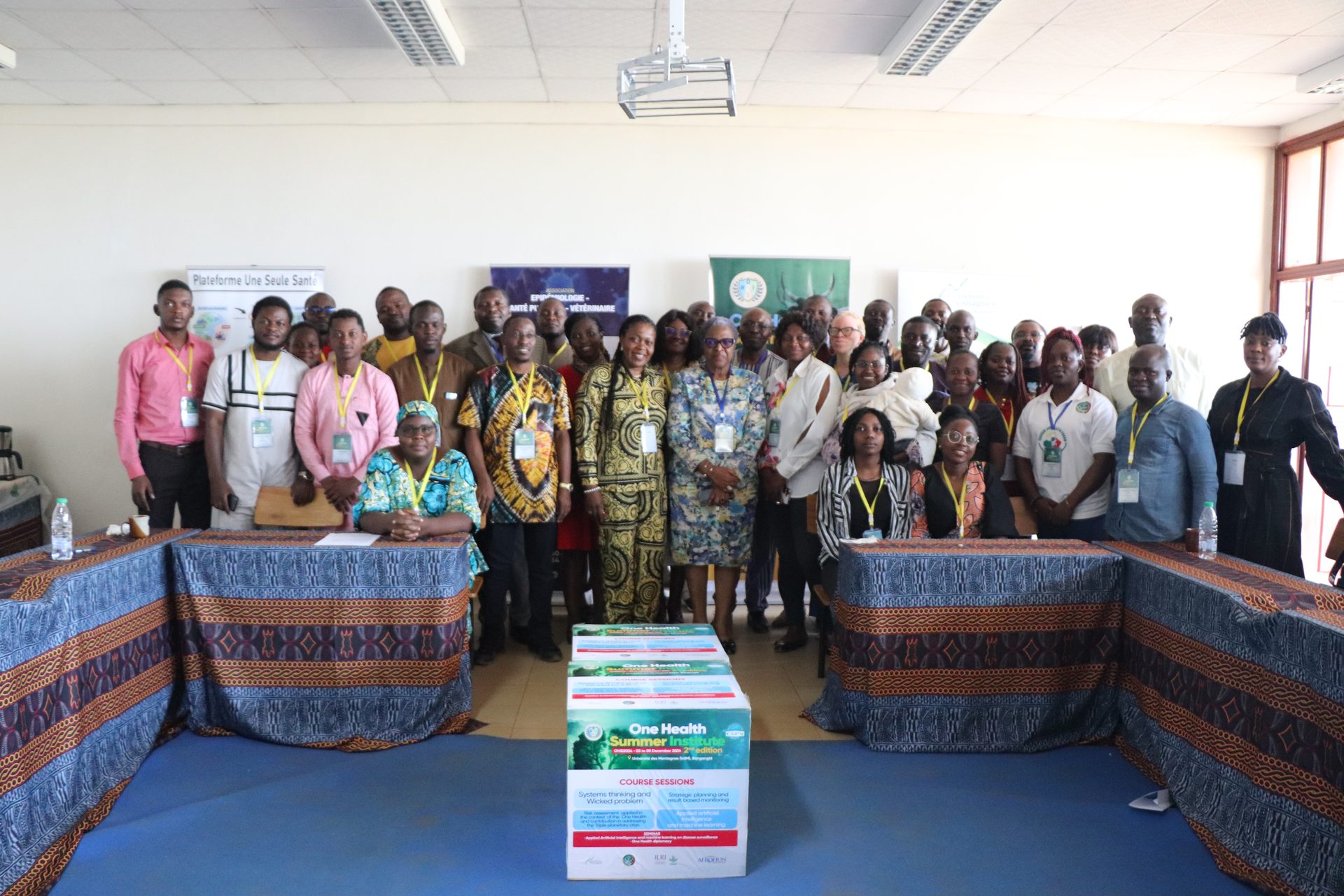
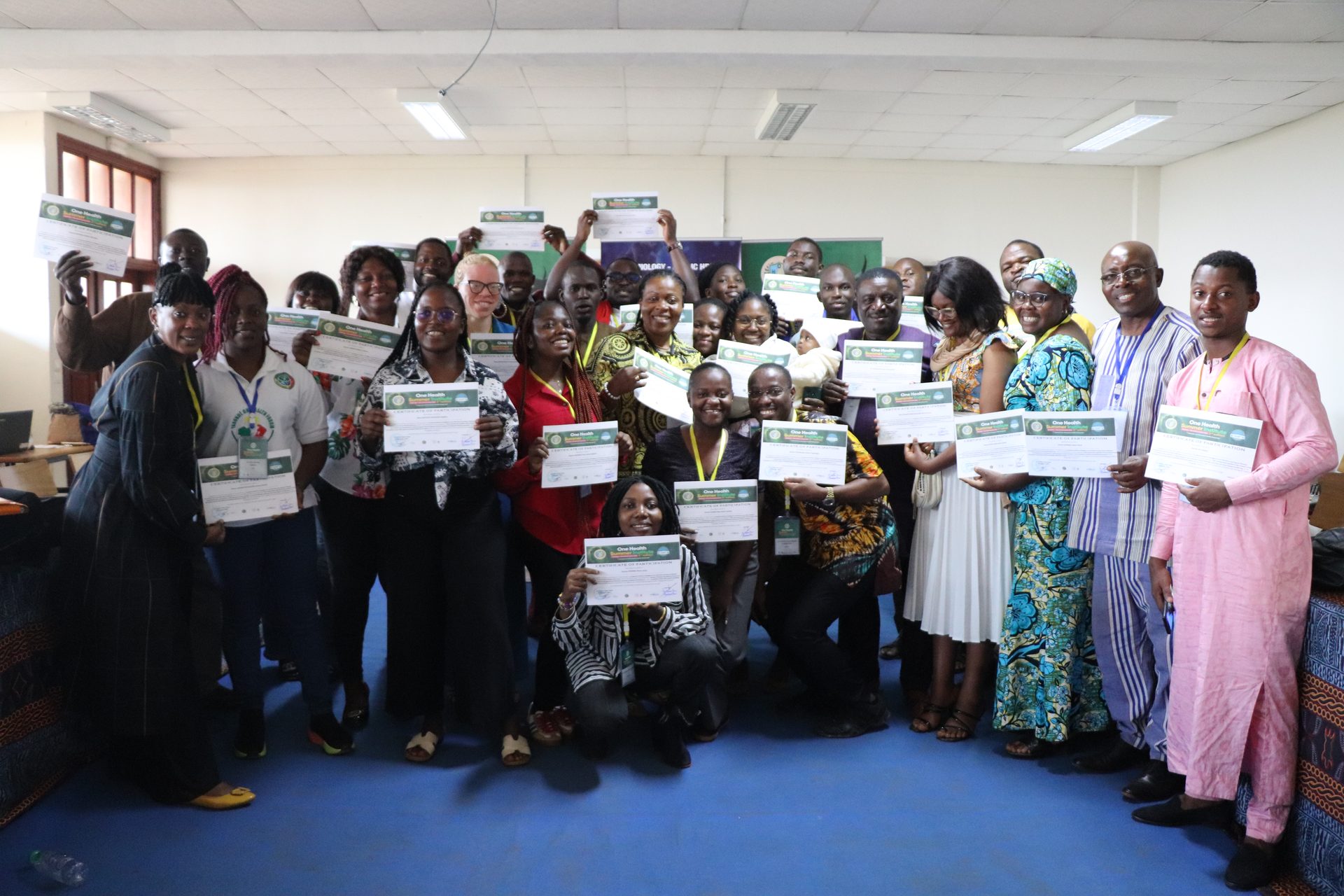


Previous Sessions