Instructor Profile

Cyrille-Lazare Siewe, PhD Environmental Toxicology. UNEP Programme Management Officer, Science-Policy Expert, and Invited Lecturer at the University of Agronomy Science in Lomé (Togo), University of Besançon (France), Université des Montagnes (Cameroon), and Summer Class lecturer at the Geneva Science Policy Interface Unit of the University of Geneva (Switzerland).
Background & Context
In a world where environmental degradation, climate disruption, and biodiversity loss converge into systemic crises, anticipation is the most powerful tool for safeguarding human, animal, and ecosystem health. Grounded in the latest insights from UNEP's GEO-7, the Emissions Gap Report, WHO foresight analyses, and other leading international assessments, this course equips participants to identify emerging hazards, quantify complex risks, and design integrated interventions before crises escalate.
The health of humans, animals, and ecosystems is increasingly interdependent, yet the planet faces unprecedented systemic threats. The climate crisis, biodiversity loss, and pollution are no longer isolated challenges — they form a converging poly-crisis with cascading impacts on health, economies, and societies. This course emphasizes that anticipatory risk assessment is no longer optional — it is essential.
Course Focus
This course equips participants with the skills to anticipate, analyze, and act on environmental risks using an integrated One Health approach. Participants will learn to apply cutting-edge risk assessment methodologies, scenario-based modeling, and foresight-driven strategies within the One Health paradigm. By bridging science and policy, the course empowers leaders to transform emerging environmental threats into opportunities for resilience, sustainable development, and global well-being.
Learning Outcomes
- Identify emerging hazards that threaten human, animal, and ecosystem health
- Quantify risk using modern tools and scenario-based approaches to anticipate future crises
- Design preventive, adaptive, and systemic interventions to mitigate environmental, health, and socio-economic impacts
- Translate scientific foresight into evidence-based policy recommendations for governments, intergovernmental organizations, and civil society
- Communicate complex risks to diverse stakeholders to enable proactive decision-making
- Apply advanced risk assessment methodologies to complex environmental health challenges
- Integrate foresight, early warning, and scenario planning into anticipatory environmental governance
- Develop cross-sectoral strategies to enhance resilience in health systems, ecosystems, and societies
Target Audience
This course is designed for environmental and health professionals, policy advisors, researchers, and decision-makers seeking to lead transformative strategies that safeguard both human and planetary health. Participants will leave with practical, anticipatory tools to navigate and influence the trajectory of the 21st-century environmental crises.
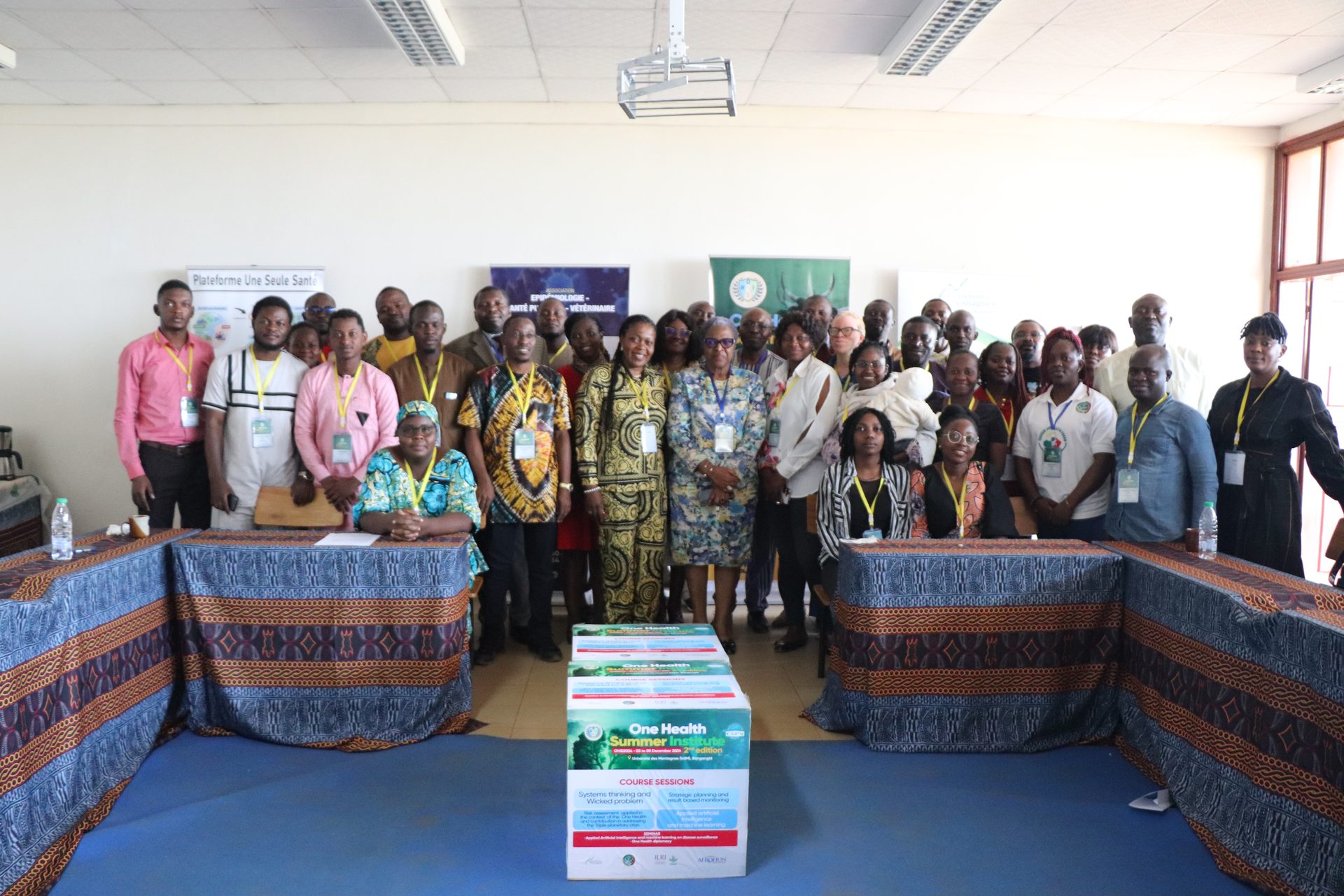
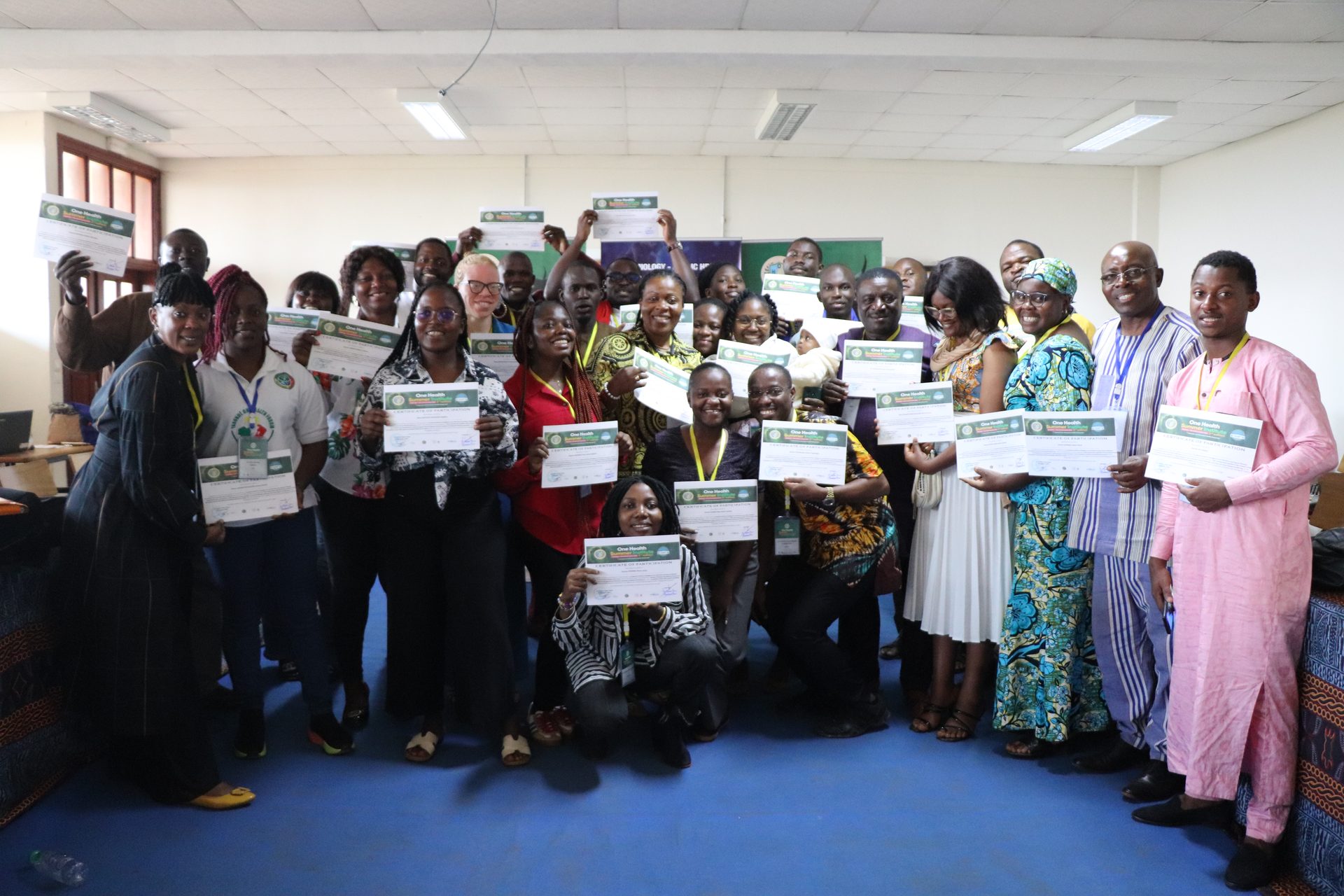


Previous Sessions