
Instructor Profile
Dr. Galbert Fedjo — Health System Coordinator, WHO Country Office, United Republic of Tanzania. Dr. Fedjo is a seasoned public health expert with 29 years of experience spanning health systems management, quality improvement, health financing for universal health coverage, leadership development, performance monitoring, and partnership building. His career began as a Health Services Manager and District Health Officer in Cameroon's Ministry of Health. He subsequently held roles as a Project Director in the DRC, an International Technical Assistant in Burundi, and a Project Director with ENABEL in Uganda. In 2017, he joined the WHO Regional Office for Africa before assuming his current role in Tanzania.
Course Overview
This four-day intensive course is designed for public health managers, program officers, and decision-makers working within national health systems, international organizations, or NGOs. Participants will be equipped with the conceptual frameworks and practical tools required to design evidence-based programmes, articulate measurable results, and establish robust monitoring systems that drive continuous performance improvement.
The course bridges strategic thinking and operational practice by guiding participants through the full planning cycle, from problem diagnosis and objective-setting to theory of change development and results-framework construction. A strong emphasis is placed on participatory group exercises that allow participants to apply learning directly to their own contexts, and responsible use of Artificial Intelligence tools to improve the speed, quality, and transparency of processes.
Learning Objectives
By the end of this course, participants will be equipped with knowledge and skills for leveraging AI to:
- Apply results-based management (RBM) principles to the design and oversight of health programmes
- Conduct problem identification and root cause analysis to diagnose system challenges
- Formulate SMART objectives aligned with national priorities and organizational strategy
- Develop a theory of change and articulate clear impact pathways for planned interventions
- Identify and manage underlying assumptions and hypotheses that affect program success
- Distinguish between program functionality and performance, and use this distinction for operational decision-making
- Construct a results framework with measurable indicators, targets, and milestones
- Use results-monitoring data to support cascade planning and evidence-based decision-making
Target Audience
- Health programme managers and directors at national, sub-national, or facility level
- Monitoring and evaluation (M&E) officers and technical advisors
- Public health professionals from government ministries, international agencies, and NGOs
- Researchers and academics engaged in applied health systems work
Teaching Method
Each session is structured around three complementary elements:
- Introduction: Instructor-led presentation and facilitated brainstorming to activate prior knowledge and frame key concepts
- Group Exercise: Participants apply tools and frameworks to real-world or context-specific scenarios in collaborative small groups
- Wrap-Up & Q&A: Structured plenaries and question-and-answer period to consolidate learning and address participant questions
Prerequisites
Participants should be involved in planning, implementation, or evaluation of programmes/projects. They will bring one real document (draft strategic plan, concept note, project/grant, or operational plan) to use as a case study during exercises.
Course Schedule — Morning Sessions (16h)
| Day | Theme | Sessions |
|---|---|---|
| Tuesday 11 Aug | Strategic diagnosis |
|
| Wednesday 12 Aug | Theory of change and results architecture |
|
| Thursday 13 Aug | RBM: indicators, monitoring, reporting, learning |
|
| Friday 14 Aug | Operational planning |
|
Assessment & Completion
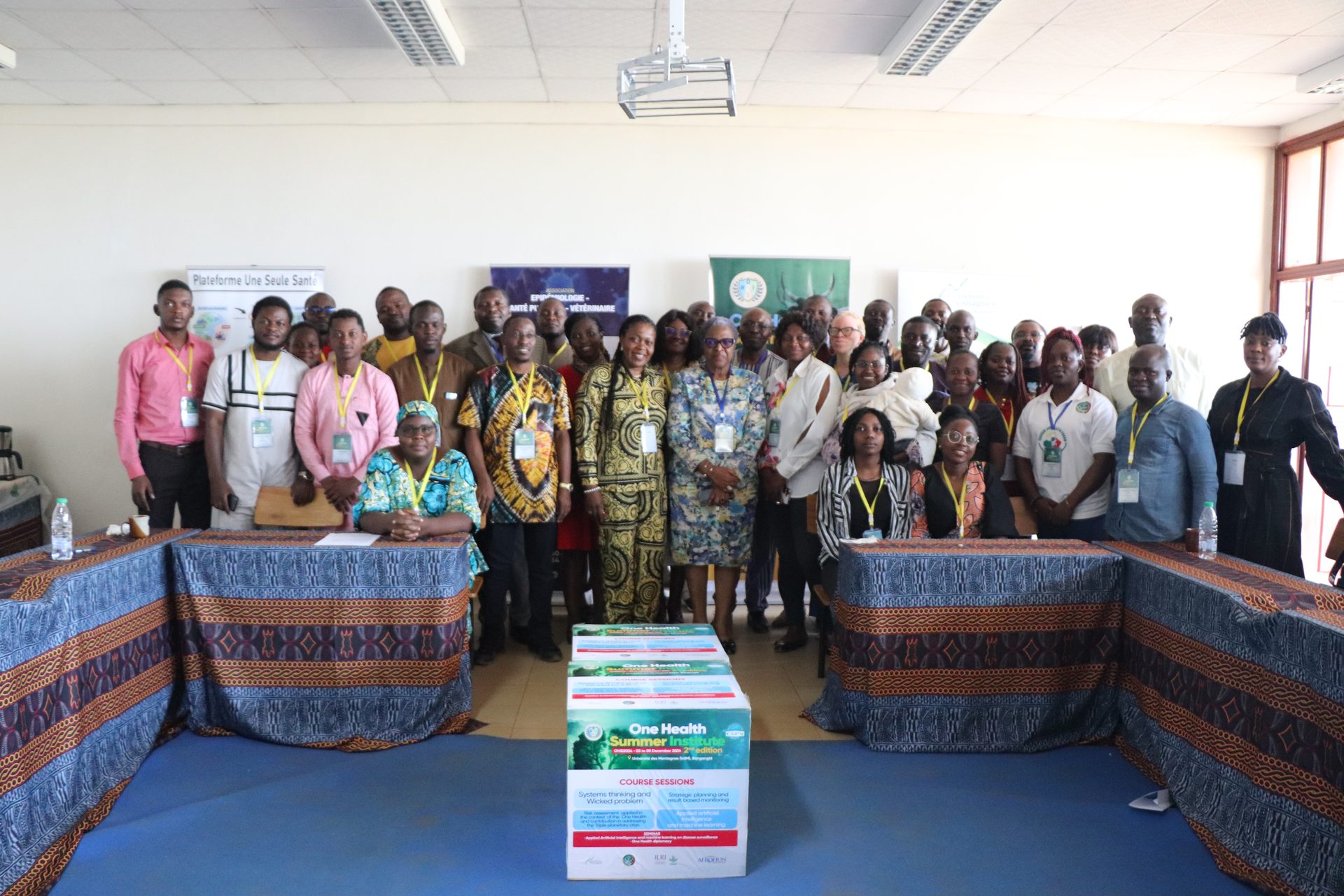
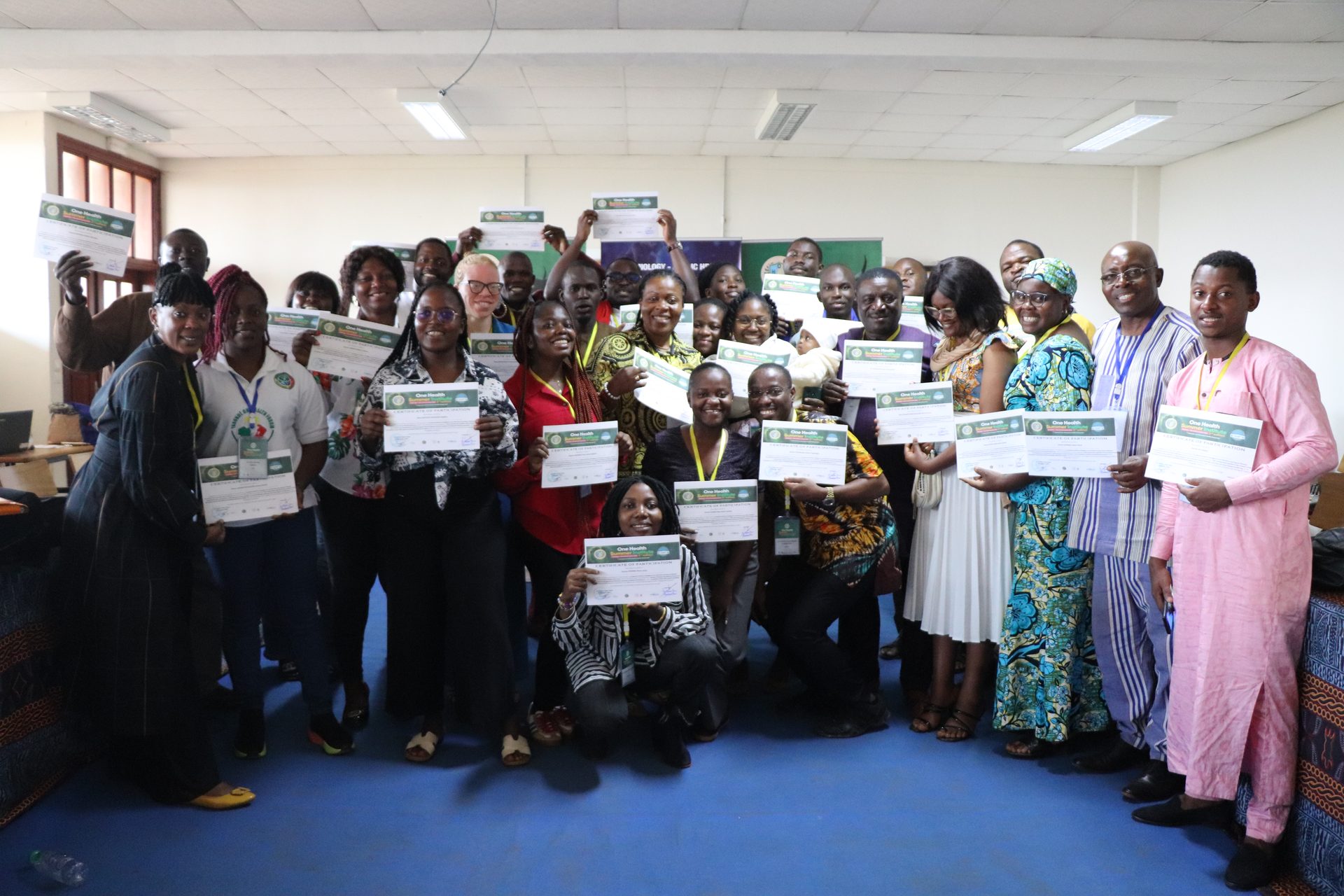

Participants who attend all four days of the course and actively engage in group exercises will receive a certificate of completion from the One Health Summer Institute. Assessment is formative and conducted through group exercise presentations and facilitator observation. There are no written examinations.
Outputs — Capstone Package
- Refined problem statement + root cause map
- Draft theory of change + results chain
- Results matrix (indicators, baselines, targets, MoV, risks/assumptions)
Recommended Pre-Reading
- World Bank (2004) — Ten Steps to a Results-Based Monitoring and Evaluation System
- UNDP (2009) — Handbook on Planning, Monitoring and Evaluating for Development Results
- UNDG (2012) — Results-Based Management Handbook
- WHO (2016) — Results-Based Management in WHO — Harmonization, Simplification and Results
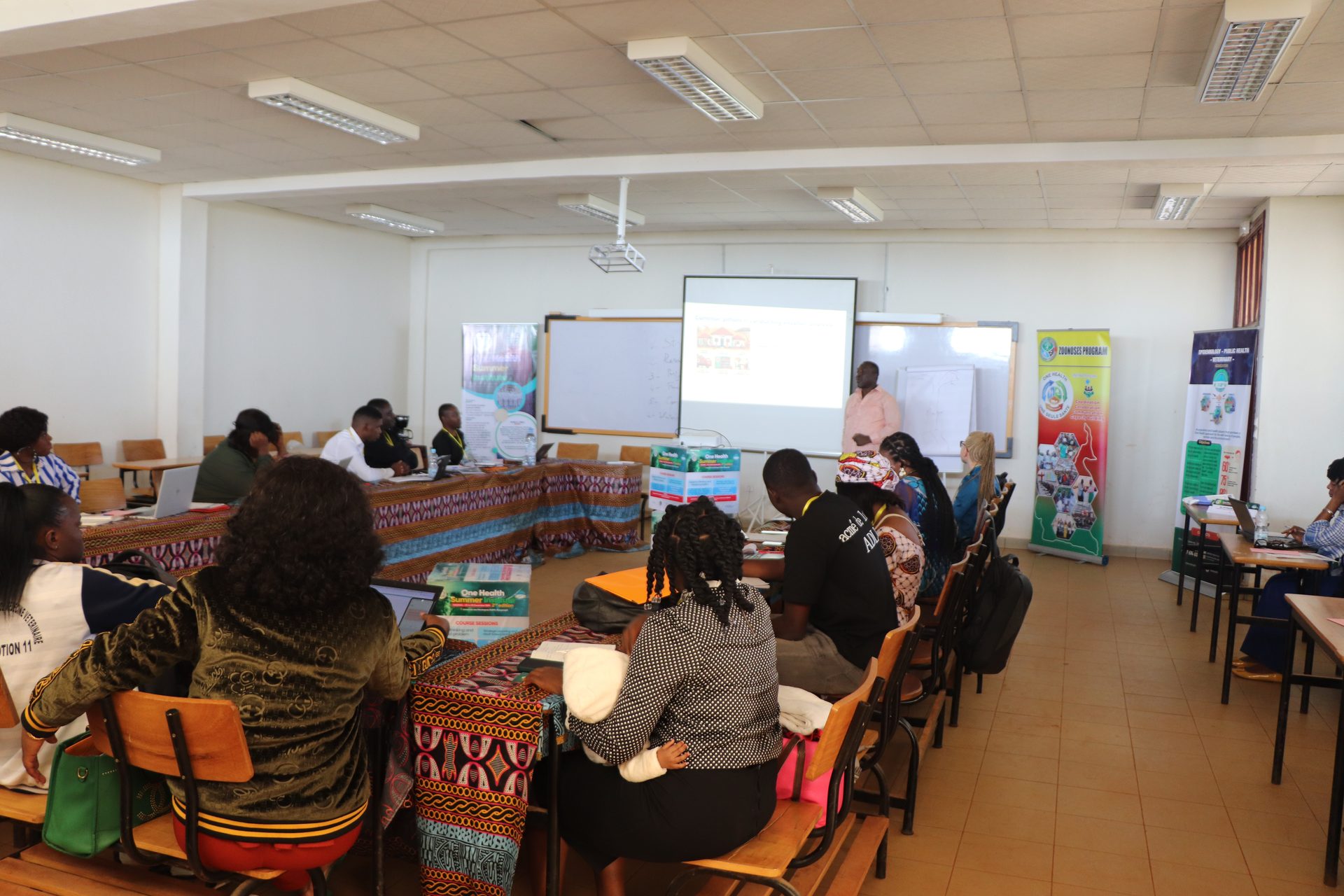
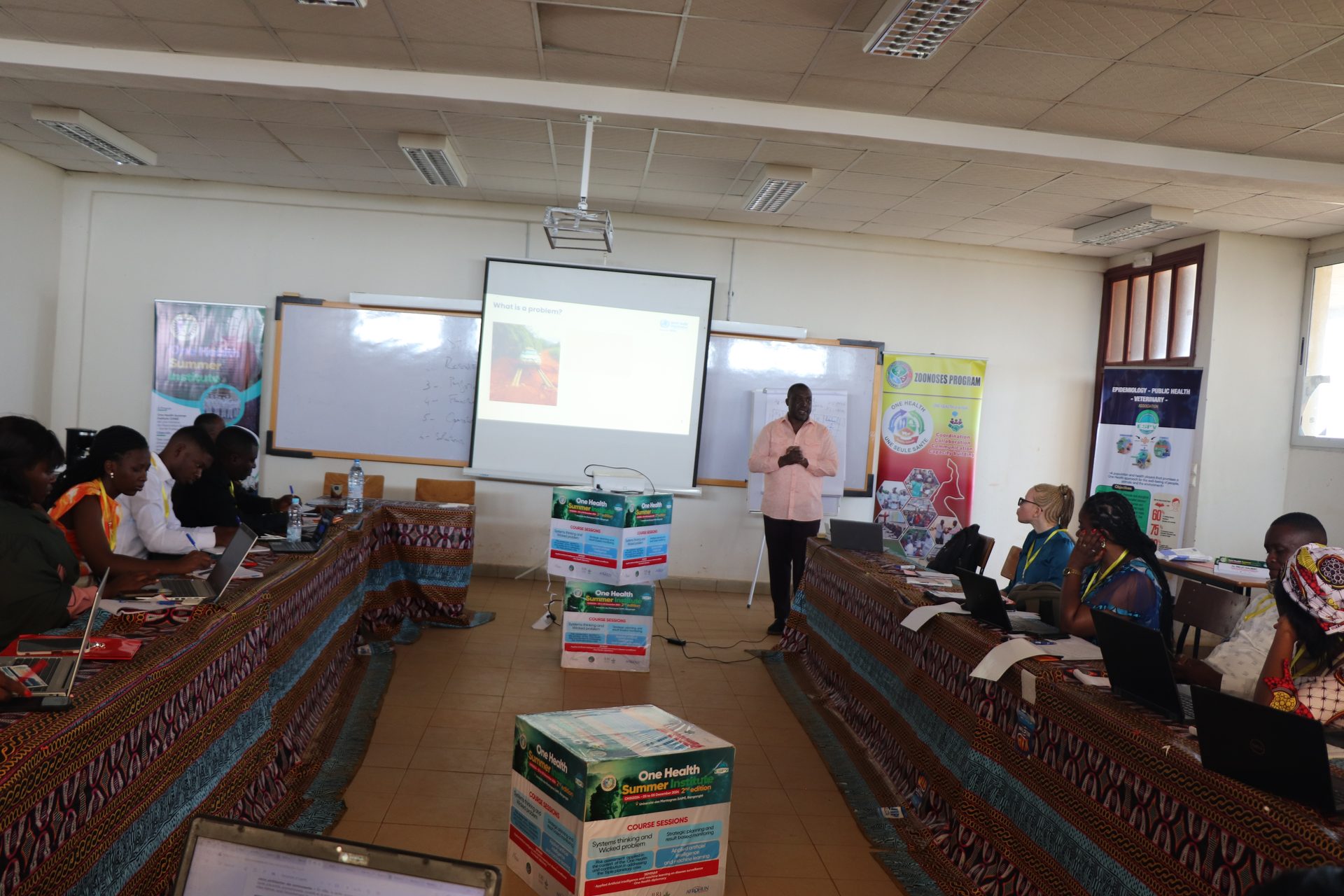
Previous Sessions